
The Future of Patient Care: Navigating Healthcare Innovation Ahead
- Mar 11
- 4 min read
Healthcare is evolving at a pace that can feel both exciting and overwhelming. As someone deeply engaged in understanding these changes, I find it essential to approach the future of patient care with a clear, measured perspective. The landscape is shaped by technological advances, shifting patient expectations, and new models of care delivery. Yet, it is equally important to acknowledge the uncertainties and challenges that accompany these developments.
In this post, I will explore key trends and innovations shaping the future of patient care. My aim is to provide practical insights and thoughtful analysis to help make sense of what lies ahead, especially for those who value clarity and informed decision-making in health.
Understanding the Shifts in Patient Care Models
The traditional healthcare model, centred around episodic visits and reactive treatment, is gradually giving way to more continuous, proactive approaches. This shift is driven by several factors:
Data Integration: Increasingly, patient data is collected not just during clinical visits but continuously through wearable devices and home monitoring tools. This allows for a more comprehensive understanding of health patterns over time.
Personalisation: Advances in genomics and AI enable treatments tailored to individual biology and lifestyle, moving beyond one-size-fits-all protocols.
Patient Empowerment: Patients are becoming active participants in their care, supported by digital tools that provide education, reminders, and decision support.
For example, device-agnostic sensing platforms are emerging that integrate data from various consumer health devices such as smart rings, scales, and fitness trackers. This approach helps build a longitudinal health profile rather than relying on isolated snapshots.

Such integration supports a more nuanced understanding of health trends and risks, enabling earlier interventions and more personalised care plans.
The Role of Artificial Intelligence in Future Patient Care
Artificial intelligence (AI) is often discussed as a transformative force in healthcare. However, it is important to view AI as a tool that augments human expertise rather than replacing it. In the context of patient care, AI can:
Analyse large volumes of data to identify subtle patterns that might elude human clinicians.
Provide context-aware guidance by integrating multiple data streams, including lifestyle, genetics, and clinical history.
Support decision-making by prioritising interventions based on individual risk profiles and preferences.
One practical example is AI-driven health navigation systems that translate raw data into actionable insights. These systems help patients and providers focus on what matters most, avoiding information overload.
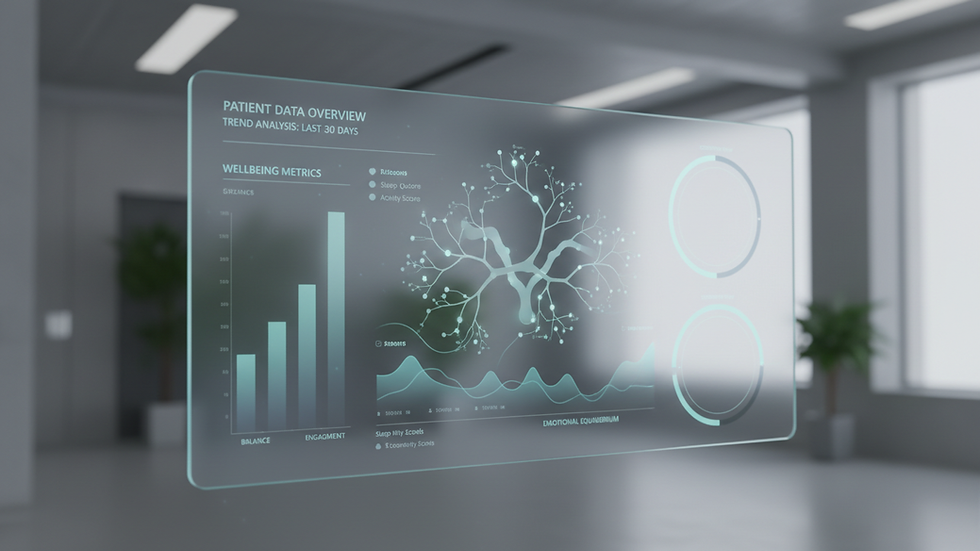
While promising, AI applications must be developed and deployed with transparency and rigorous validation to maintain trust and effectiveness. The future of healthcare innovation will depend on balancing technological capabilities with ethical considerations and real-world usability.
Embracing Preventive and Longevity-Focused Care
A significant trend in healthcare innovation is the growing emphasis on prevention and longevity. Instead of waiting for disease to manifest, the goal is to maintain healthspan - the period of life spent in good health.
This approach involves:
Early detection of risk factors through continuous monitoring.
Lifestyle interventions supported by data-driven feedback.
Integration of emerging therapies aimed at slowing biological ageing.
For instance, longevity-focused platforms combine data from multiple sources to provide personalised recommendations on nutrition, exercise, sleep, and stress management. These recommendations are grounded in scientific evidence and adapted over time as new data becomes available.
Such strategies require a shift in mindset from reactive treatment to sustained health optimisation. They also highlight the importance of clear, explainable guidance to help individuals make informed choices without being overwhelmed by complexity.
Challenges and Considerations in Healthcare Innovation
While the potential benefits of healthcare innovation are substantial, several challenges must be acknowledged:
Data Privacy and Security: The increasing use of personal health data raises concerns about confidentiality and misuse. Robust safeguards and transparent policies are essential.
Interoperability: Integrating data from diverse devices and systems remains a technical and organisational hurdle.
Equity and Access: Innovations must be accessible to all segments of the population to avoid widening health disparities.
Regulatory and Ethical Issues: New technologies require appropriate oversight to ensure safety, efficacy, and ethical use.
Addressing these challenges requires collaboration among technology developers, healthcare providers, regulators, and patients. It also calls for ongoing evaluation and adaptation as the landscape evolves.
Preparing for the Future of Patient Care
Looking ahead, the future of patient care will likely be characterised by a more connected, personalised, and preventive approach. To navigate this future effectively, I recommend:
Engaging with Reliable Sources: Seek out information grounded in evidence and expert analysis rather than hype.
Focusing on Longitudinal Health Data: Embrace tools and platforms that integrate multiple data streams over time for a holistic view.
Prioritising Explainability: Choose technologies and services that provide clear, understandable guidance.
Advocating for Privacy and Ethics: Support initiatives that protect patient data and promote equitable access.
Remaining Open to Adaptation: Healthcare innovation is dynamic; staying informed and flexible will be key.
By approaching the future of healthcare innovation thoughtfully, we can better support sustainable healthspan improvements and make informed decisions that align with individual values and needs.
For those interested in a deeper exploration of these themes, the future of healthcare innovation offers a rich field of study and practical application.
Looking Beyond Today’s Innovations
The journey toward improved patient care is ongoing and complex. While technology plays a crucial role, it is ultimately the integration of human insight, ethical stewardship, and patient-centred values that will shape meaningful progress.
As we move forward, maintaining a balanced perspective—recognising both the promise and the limitations of innovation—will help ensure that advancements translate into real-world benefits for individuals and communities alike.



Comments