
How the Advantages of Smart Health Tech Benefit Patients
- Apr 6
- 4 min read
In recent years, the integration of technology into healthcare has evolved significantly. Among these advancements, smart health tech has emerged as a promising tool to support patients in managing their health more effectively. This technology offers a range of benefits that extend beyond traditional healthcare models, providing continuous, personalised insights that can empower individuals to make informed decisions about their wellbeing.
Understanding the Advantages of Smart Health Tech
Smart health technology encompasses a variety of devices and systems designed to monitor health metrics in real time. These include wearable sensors, mobile apps, and connected devices that collect data such as heart rate, sleep patterns, physical activity, and more. The advantages of smart health tech are multifaceted:
Continuous Monitoring: Unlike periodic check-ups, smart devices provide ongoing data collection, allowing for a more comprehensive view of a patient’s health over time.
Early Detection: By tracking subtle changes in physiological parameters, these technologies can help identify potential health issues before they become critical.
Personalised Insights: Data collected can be analysed to offer tailored recommendations, supporting lifestyle adjustments that align with individual health goals.
Improved Communication: Patients can share their health data with healthcare providers remotely, facilitating more informed consultations and timely interventions.
Empowerment and Engagement: Access to real-time information encourages patients to take an active role in their health management.
These advantages contribute to a healthcare experience that is more proactive and patient-centred, potentially improving outcomes and quality of life.

Practical Applications of Smart Health Tech in Patient Care
The practical applications of smart health technology are diverse and increasingly relevant across various health conditions. For example:
Chronic Disease Management: Patients with conditions such as diabetes or hypertension can benefit from devices that monitor blood glucose or blood pressure continuously. This data helps in adjusting treatment plans promptly.
Postoperative Recovery: Remote monitoring can track vital signs and activity levels after surgery, reducing the need for frequent hospital visits and enabling early detection of complications.
Mental Health Support: Some smart devices track sleep quality and stress indicators, providing insights that can assist in managing anxiety or depression.
Fitness and Wellness: Beyond illness, smart health tech supports general wellness by encouraging physical activity, balanced sleep, and healthy habits.
By integrating these tools into daily life, patients gain a clearer understanding of how their behaviours impact their health, fostering more sustainable lifestyle changes.
What Smart Watch Do Cardiologists Recommend?
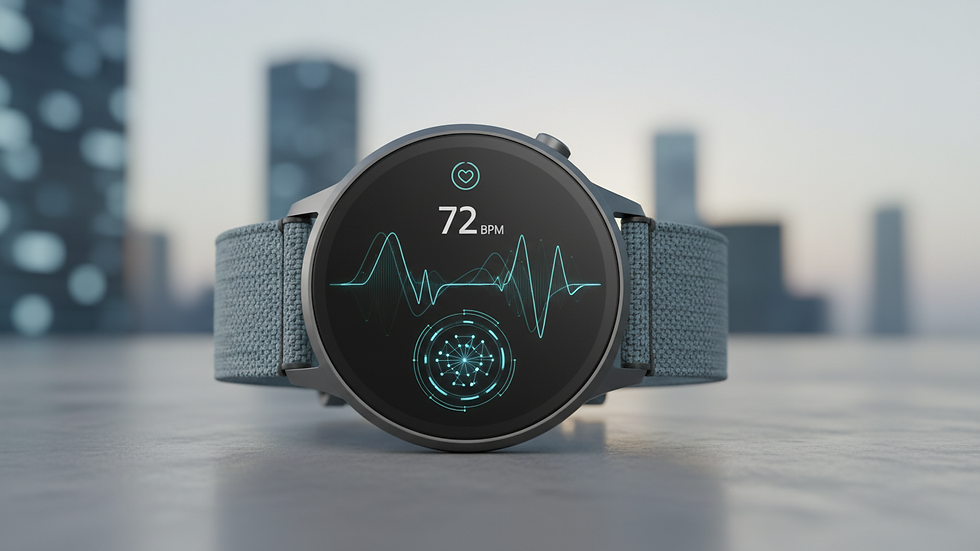
When considering smart watches for health monitoring, cardiologists often look for devices that offer reliable heart rate tracking, ECG capabilities, and the ability to detect irregular heart rhythms such as atrial fibrillation. While recommendations may vary based on individual patient needs, some key features cardiologists value include:
Accurate Heart Rate Monitoring: Continuous and precise measurement is essential for detecting abnormalities.
Electrocardiogram (ECG) Functionality: This allows users to record their heart’s electrical activity, which can be shared with healthcare providers.
Alerts for Irregular Heartbeats: Early warnings can prompt timely medical evaluation.
Integration with Health Platforms: Seamless data sharing with medical professionals enhances care coordination.
It is important to note that while smart watches can provide valuable information, they are not substitutes for professional medical diagnosis or treatment. Patients should consult their healthcare providers to determine which device features best suit their health profile.
Challenges and Considerations in Using Smart Health Technology
Despite the clear benefits, there are several challenges and considerations to keep in mind when adopting smart health technology:
Data Privacy and Security: The collection and transmission of sensitive health data raise concerns about confidentiality and potential misuse.
Data Accuracy and Reliability: Not all devices offer the same level of precision, and false readings can lead to unnecessary anxiety or missed diagnoses.
User Engagement and Literacy: Effective use requires a certain level of comfort with technology and understanding of health data.
Integration with Healthcare Systems: Fragmented data sources can complicate the creation of a coherent health picture unless systems are designed to integrate multiple inputs.
Cost and Accessibility: The price of devices and the need for compatible smartphones or internet access may limit availability for some patients.
Addressing these challenges requires thoughtful design, clear communication, and ongoing support to ensure that smart health monitoring tools serve patients effectively and ethically.
Looking Ahead: The Role of AI and Data Integration in Health Monitoring
The future of smart health technology is closely linked to advances in artificial intelligence and data integration. Systems that are device-agnostic, capable of synthesising data from various sensors such as rings, smart scales, and wearables, can provide a more holistic understanding of health patterns. AI-driven analysis can translate complex data streams into actionable insights, prioritising health concerns based on context rather than isolated metrics.
This approach supports a more nuanced and personalised health navigation experience, helping individuals and healthcare providers make informed decisions grounded in real-world data. While uncertainties remain about the full potential and limitations of these technologies, their thoughtful application holds promise for enhancing long-term health management.
By exploring the advantages of smart health tech with a measured and analytical perspective, I hope to provide clarity on how these tools can support patients in managing their health. The integration of technology into healthcare is not a panacea, but when used judiciously, it offers meaningful opportunities to improve health outcomes and patient autonomy.


Comments