
Why Hong Kong Residents Choose Medical Care in China
- Jun 4
- 4 min read
Healthcare is a fundamental concern for many, especially when it involves complex or specialized treatments. Over recent years, an increasing number of Hong Kong residents have been exploring options beyond their local healthcare system. One notable trend is the growing preference for medical care in China. This choice is influenced by a combination of factors including accessibility, quality of care, and the availability of advanced medical services. In this article, I will share insights into why this shift is happening and what it means for patients seeking comprehensive healthcare solutions.
Understanding the Appeal of Medical Care in China
The healthcare landscape in China has evolved significantly, with substantial investments in medical infrastructure, technology, and specialist training. For Hong Kong residents, this translates into access to a broader range of treatment options that may not be as readily available locally.
One key advantage is the coordination of care. Many Chinese hospitals and clinics offer integrated services that cover everything from diagnosis and specialist review to post-treatment rehabilitation. This holistic approach ensures that patients receive continuous support throughout their healthcare journey.
Moreover, the cost factor cannot be overlooked. While Hong Kong provides excellent healthcare services, certain specialized treatments can be expensive or have long waiting times. China offers competitive pricing without compromising on quality, making it an attractive alternative for those seeking timely and effective care.

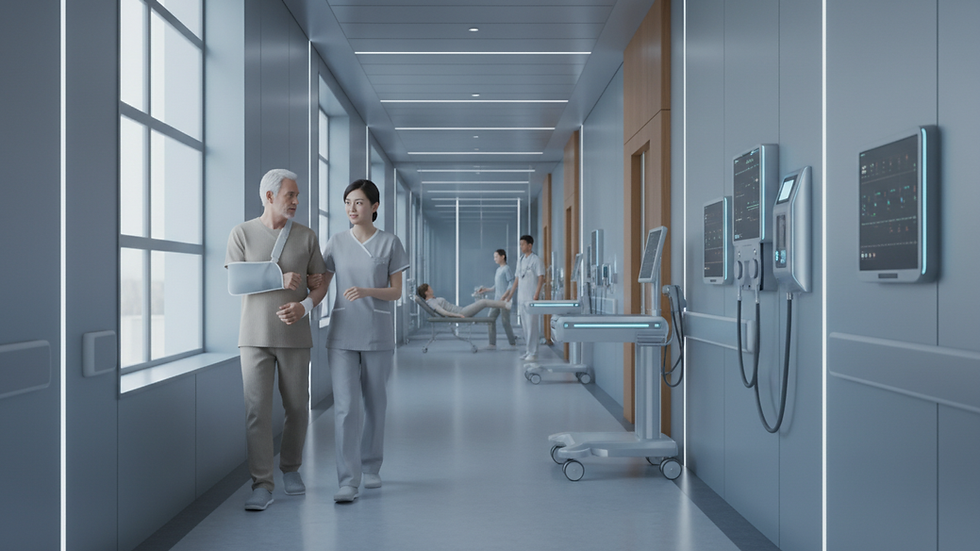
Modern hospital corridor showcasing advanced medical facilities in China
The Role of Specialist Review and Treatment Coordination
One of the reasons I find medical care in China particularly compelling is the emphasis on specialist review. Patients often require second opinions or detailed assessments to confirm diagnoses and explore treatment options. Chinese medical centers have developed robust systems for multidisciplinary consultations, where experts from various fields collaborate to tailor treatment plans.
This approach is especially beneficial for complex cases such as orthopedic surgery, oncology, cardiovascular care, and fertility treatments. The ability to coordinate care across specialties ensures that patients receive personalized and precise interventions.
Additionally, recovery planning and long-term health navigation are integral parts of the process. After treatment, patients are supported with rehabilitation programs and ongoing monitoring to optimize outcomes. This continuity of care is essential for maintaining health and preventing complications.

Healthcare professional conducting a specialist review of medical imaging
Which Country is No 1 in Healthcare?
When discussing healthcare quality, it is natural to ask which country leads globally. Various rankings consider factors such as accessibility, quality, efficiency, and patient outcomes. Countries like Switzerland, Germany, and Japan often top these lists due to their advanced medical systems and comprehensive coverage.
China, while still developing in some areas, has made remarkable progress. Its healthcare system now ranks highly in terms of innovation, infrastructure, and specialist expertise. The government’s focus on healthcare reform and investment in technology has accelerated improvements, making China a competitive player on the international stage.
For Hong Kong residents, this means access to world-class medical services without the need to travel far. The proximity and cultural familiarity also ease communication and logistical challenges, enhancing the overall patient experience.
Practical Considerations for Choosing Medical Care in China
Choosing to receive medical care in China involves several practical considerations. It is important to approach this decision with thorough planning and reliable information.
Verification of Credentials: Ensure that the medical facility and specialists are accredited and recognized internationally. Many top hospitals in China have partnerships with global institutions and adhere to strict quality standards.
Language and Communication: While many hospitals have English-speaking staff, it is advisable to confirm language support services. Clear communication is vital for understanding treatment options and making informed decisions.
Travel and Accommodation: Plan for travel logistics, including visa requirements and accommodation near the medical facility. Some hospitals offer patient liaison services to assist with these arrangements.
Insurance and Payment: Check whether your health insurance covers treatment abroad or if you need to arrange payment independently. Transparent cost estimates and billing practices are essential to avoid surprises.
Post-Treatment Care: Consider how follow-up care will be managed once you return to Hong Kong. Establishing a communication channel between your local healthcare provider and the Chinese medical team can facilitate smooth transitions.
By addressing these factors, patients can navigate the process confidently and maximize the benefits of receiving care in China.
Building a Future-Oriented Healthcare Partnership
The decision to seek medical care in China is not just about immediate treatment. It reflects a broader trend towards integrated, patient-centered healthcare that spans borders. For those requiring complex interventions such as orthopedic surgery or oncology review, having access to coordinated care pathways is invaluable.
Long-term health navigation is another critical aspect. Chronic conditions and recovery phases demand ongoing attention and adjustments to treatment plans. Chinese healthcare providers increasingly offer precision health screening and integrative medicine options that support sustained wellness.
As someone involved in healthcare coordination, I see immense potential in fostering partnerships between Hong Kong and Chinese medical institutions. These collaborations can enhance patient outcomes, streamline care delivery, and build trust through transparent guidance and education.
Choosing medical care in China is a thoughtful, strategic decision that aligns with the evolving needs of patients seeking comprehensive, high-quality healthcare solutions.
This exploration highlights why many Hong Kong residents are turning to China for their medical needs. The combination of advanced facilities, specialist expertise, coordinated care, and practical accessibility creates a compelling healthcare environment. As healthcare continues to globalize, such cross-border collaborations will play an increasingly important role in delivering patient-centered care.
For those considering this path, careful planning and informed decision-making are key. With the right support, medical care in China can offer a future-oriented approach to health that prioritizes recovery, precision, and long-term wellbeing.


Comments