
The Future of Health: Innovative Health Diagnostics and High-Tech Screening
- Jun 25
- 4 min read
In recent years, healthcare has undergone a remarkable transformation. Advances in technology and data analytics have paved the way for more precise, personalized, and proactive approaches to health management. Among these innovations, innovative health diagnostics stand out as a cornerstone for improving patient outcomes and long-term wellness. As someone deeply involved in healthcare coordination and specialist review, I have witnessed firsthand how these advancements are reshaping the way we approach diagnosis, treatment, and recovery.
Today, I want to explore the future of health through the lens of cutting-edge diagnostic tools and the role of high-tech screening in enabling better healthcare navigation. This discussion is especially relevant for those seeking structured, internationally trusted medical pathways, including complex orthopedic surgery reviews, oncology assessments, and precision health screening.
Embracing Innovative Health Diagnostics for Better Outcomes
Innovative health diagnostics refer to the use of advanced technologies and methodologies to detect diseases earlier, understand patient-specific conditions more accurately, and tailor treatments accordingly. These diagnostics go beyond traditional tests by integrating imaging, molecular analysis, and artificial intelligence in a way that supports comprehensive health evaluation.
For example, in orthopedic care, advanced imaging techniques such as 3D MRI and CT scans provide detailed views of bone and soft tissue structures. This allows specialists to plan surgeries with greater precision and anticipate potential complications. Similarly, in oncology, molecular diagnostics can identify genetic mutations driving cancer growth, enabling targeted therapies that improve survival rates.
The benefits of innovative health diagnostics include:
Early detection of diseases before symptoms appear
Personalized treatment plans based on detailed patient data
Improved coordination between specialists through shared diagnostic insights
Enhanced recovery planning by understanding the full scope of a patient’s condition
These diagnostics form the foundation of a future-oriented healthcare system that prioritizes long-term health navigation and patient-centered care.

The Role of High-Tech Screening in Modern Healthcare
One of the most promising developments in healthcare is the integration of high tech health screening into routine medical evaluations. This approach combines state-of-the-art imaging, biomarker analysis, and digital health monitoring to provide a comprehensive picture of an individual’s health status.
High-tech screening is particularly valuable for international patients seeking second opinions or coordinated care pathways. It enables early identification of risk factors and hidden conditions that might otherwise go unnoticed. For instance, a full-body scan can detect early signs of cardiovascular disease, cancer, or metabolic disorders, allowing for timely intervention.
Moreover, these screenings are designed to be patient-friendly, minimizing discomfort and reducing the need for invasive procedures. The data collected can be reviewed by multidisciplinary teams, ensuring that treatment recommendations are well-informed and tailored to the patient’s unique needs.
Key features of high-tech screening include:
Non-invasive imaging techniques such as MRI, CT, and ultrasound
Comprehensive biomarker panels analyzing blood, urine, and other samples
Integration with electronic health records for seamless data sharing
Remote monitoring capabilities to track health changes over time
By leveraging these technologies, healthcare providers can offer more coordinated and effective care, supporting patients throughout their treatment and recovery journey.
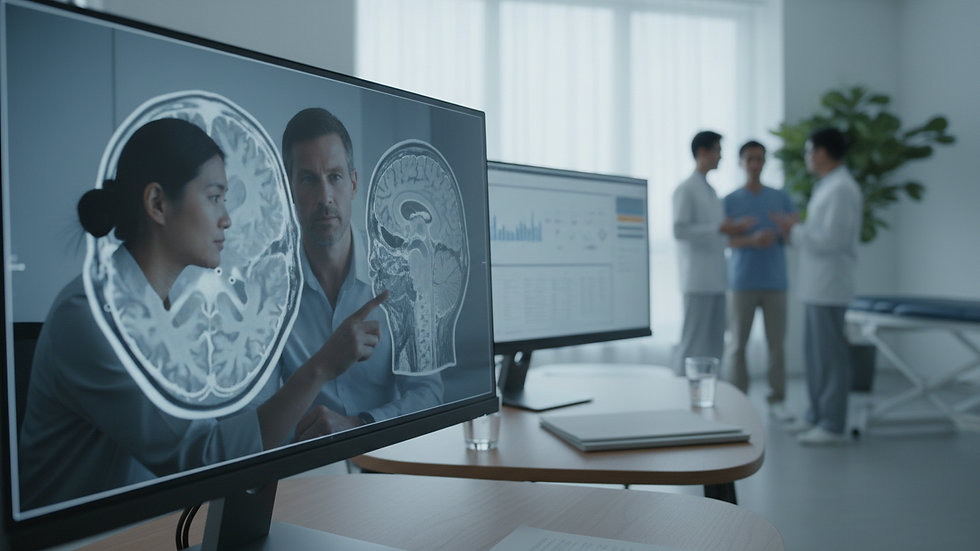
How Much Does a Full Body Health Scan Cost?
Understanding the cost of a full body health scan is essential for patients and families planning their healthcare journey. The price can vary widely depending on the scope of the scan, the technologies used, and the healthcare provider’s location.
Typically, a comprehensive full body scan includes multiple imaging modalities such as MRI, CT, and ultrasound, combined with laboratory tests for biomarkers. In international healthcare coordination, these scans are often part of a broader package that includes specialist review, treatment planning, and follow-up consultations.
Factors influencing the cost include:
Type of imaging and tests included - More advanced or numerous tests increase the price.
Healthcare facility and country - Costs vary based on regional healthcare economics.
Inclusion of specialist consultations - Expert review and second opinions add value.
Additional services - Such as rehabilitation planning or long-term health navigation.
While prices can range from a few hundred to several thousand US dollars, it is important to consider the value of early detection and personalized care. Investing in a full body health scan can lead to significant savings by preventing costly complications and enabling more effective treatment.
For those seeking international healthcare coordination, transparent pricing and clear communication about what is included are critical. This ensures patients can make informed decisions aligned with their health goals.
Coordinating Care Across Borders with Precision Diagnostics
One of the challenges in modern healthcare is ensuring continuity and coordination, especially for patients navigating complex medical conditions across different countries. Innovative health diagnostics and high-tech screening play a vital role in bridging these gaps.
Through structured medical review and cross-border coordination, patients can benefit from:
Access to leading specialists with expertise in their specific condition
Comprehensive diagnostic data shared securely between providers
Tailored treatment pathways that consider local and international options
Coordinated rehabilitation and recovery plans to optimize outcomes
For example, a patient requiring orthopedic surgery in China can undergo precision health screening to assess overall health risks before the procedure. The diagnostic results are then reviewed by a multidisciplinary team, which collaborates to design a personalized surgical and rehabilitation plan. This approach reduces uncertainty and enhances patient confidence.
Furthermore, long-term health navigation ensures that patients receive ongoing support, including monitoring for potential complications and guidance on lifestyle adjustments. This holistic model reflects a future-oriented vision of healthcare that prioritizes patient well-being beyond the immediate treatment phase.
Navigating the Future of Healthcare with Confidence
As healthcare continues to evolve, the integration of innovative health diagnostics and high-tech screening will become increasingly central to delivering effective, patient-centered care. These tools empower patients and providers alike by offering deeper insights, earlier detection, and more precise treatment options.
For those seeking coordinated international healthcare pathways, embracing these advancements means:
Better-informed decisions based on comprehensive diagnostic data
Improved collaboration between specialists across borders
Personalized recovery and rehabilitation plans tailored to individual needs
Sustained health management through long-term navigation and support
At NEXA Longevity, our commitment is to facilitate this future by connecting patients with trusted specialists and structured care pathways. We believe that the future of health lies in intelligent, calm, and coordinated approaches that respect the complexity of each patient’s journey.
By focusing on transparency, education, and collaboration, we aim to build lasting trust and deliver healthcare solutions that truly make a difference.
The future of health is not just about technology - it is about how we use it to create meaningful, human-centered care that supports every stage of life. Together, we can navigate this future with confidence and clarity.


Comments