
Exploring Medical Care Options in China: Why Choose China for Your Medical Treatment
- May 12
- 4 min read
When considering advanced healthcare solutions, many international patients seek options that combine expertise, innovation, and comprehensive care. China has emerged as a significant destination for those looking for coordinated, specialist-driven medical pathways. With a focus on structured treatment review, recovery planning, and long-term health navigation, China offers a unique blend of traditional and modern medical practices supported by a robust healthcare infrastructure.
Understanding Medical Care Options in China
China’s healthcare system has undergone remarkable transformation over the past decades. Today, it offers a wide range of medical services that cater to complex cases requiring multidisciplinary approaches. From orthopedic surgery to oncology and cardiovascular care, the country’s hospitals and clinics provide access to highly trained specialists and cutting-edge technology.
One of the key strengths lies in the integration of Western medicine with traditional Chinese medicine (TCM), offering patients a holistic approach to treatment and recovery. This integration supports personalized care plans that address not only the immediate medical condition but also long-term wellness and rehabilitation.
For international patients, the availability of coordinated healthcare services is crucial. Many institutions in China now provide structured second opinion services, specialist reviews, and tailored treatment coordination. This ensures that patients receive clear guidance and support throughout their medical journey, from diagnosis to post-treatment recovery.
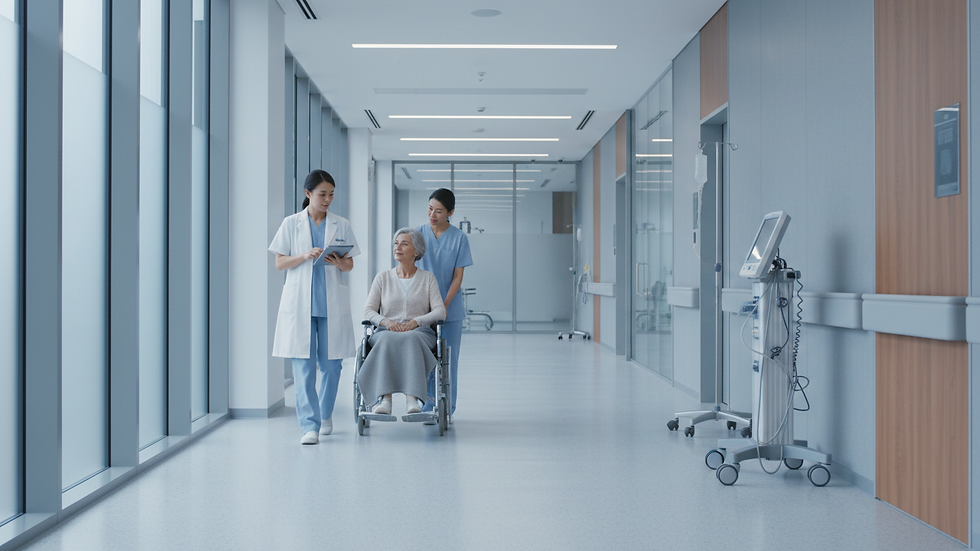
The Advantages of Choosing China for Medical Treatment
Choosing China for medical treatment offers several practical benefits that align with the needs of international patients seeking reliable and efficient healthcare solutions:
Access to Highly Skilled Specialists: China’s medical professionals often receive training both domestically and internationally. This dual exposure enhances their expertise, particularly in fields like orthopedics, oncology, and cardiovascular medicine.
Comprehensive Treatment Coordination: Patients benefit from coordinated care pathways that include second opinions, surgical reviews, and rehabilitation planning. This structured approach reduces uncertainty and improves treatment outcomes.
Advanced Medical Facilities: Many hospitals in China are equipped with state-of-the-art diagnostic and therapeutic technologies. This includes minimally invasive surgical techniques and precision health screening tools.
Cost-Effective Care: While maintaining high standards, medical care in China is often more affordable compared to Western countries. This cost efficiency does not compromise quality but rather reflects the country’s healthcare system scale and resource allocation.
Holistic Recovery and Long-Term Health Navigation: Beyond immediate treatment, China’s healthcare providers emphasize rehabilitation and integrative medicine. This focus supports sustained health improvements and quality of life.
These advantages make China a compelling choice for patients requiring complex medical interventions and ongoing health management.
Which Country is No 1 in Healthcare?
Determining the number one country in healthcare depends on various factors including quality, accessibility, innovation, and patient outcomes. Countries like Switzerland, Germany, and Singapore often rank highly in global healthcare indices due to their advanced infrastructure and patient-centered care models.
China, while still developing in some areas, has made significant strides in healthcare delivery and innovation. Its large-scale investment in medical research, hospital modernization, and specialist training positions it as a rising leader in certain specialties. For international patients, the combination of expertise, affordability, and comprehensive care coordination makes China a practical and trusted option.
Navigating Medical Treatment in China: What to Expect
When considering medical treatment in China, it is important to understand the patient journey and how to navigate the healthcare system effectively:
Initial Consultation and Second Opinion
Patients often begin with a detailed medical review or second opinion from Chinese specialists. This step helps clarify diagnosis, explore treatment options, and confirm the best course of action.
Treatment Planning and Coordination
Once a treatment pathway is agreed upon, coordination teams assist with scheduling, hospital admission, and logistical support. This ensures a seamless experience, especially for international patients unfamiliar with local systems.
Surgical or Therapeutic Intervention
Procedures are performed in accredited hospitals with multidisciplinary teams. Emphasis is placed on minimally invasive techniques and precision medicine to optimize outcomes.
Recovery and Rehabilitation
Post-treatment care includes rehabilitation programs tailored to individual needs. This phase is critical for restoring function and preventing complications.
Long-Term Health Navigation
Follow-up care and health monitoring are integrated into the patient’s journey. Providers offer guidance on lifestyle, preventive measures, and ongoing screenings to maintain health gains.
This structured approach reflects a future-oriented healthcare model that prioritizes patient safety, transparency, and sustained well-being.

Building Trust Through Transparent Healthcare Coordination
Trust is fundamental when engaging with international healthcare providers. China’s medical institutions increasingly emphasize transparency and patient-centered communication. This includes:
Clear explanations of diagnosis and treatment options
Detailed information on risks, benefits, and expected outcomes
Support for informed decision-making through second opinions and specialist consultations
Coordination with referring doctors and healthcare advisors abroad
Comprehensive discharge planning and rehabilitation support
By fostering open dialogue and structured care pathways, China’s healthcare system aligns with global standards and patient expectations. This approach reduces anxiety and empowers patients to take an active role in their health journey.
Looking Ahead: The Future of Healthcare Collaboration with China
The evolving landscape of healthcare demands collaboration across borders. China’s commitment to innovation, education, and integrated care positions it as a key partner in international health coordination. Future developments are likely to include:
Expansion of precision health screening and personalized medicine
Enhanced digital health platforms for remote consultations and monitoring
Broader access to integrative medicine combining Western and traditional approaches
Strengthened partnerships with global clinics, referral networks, and rehabilitation centers
For patients and healthcare professionals alike, these advancements promise more efficient, effective, and patient-centered care pathways.
Choosing China for your medical treatment means engaging with a healthcare system that values expertise, coordination, and long-term health outcomes. By leveraging structured second opinions, specialist reviews, and comprehensive recovery planning, patients can navigate complex medical conditions with confidence and clarity. This future-oriented approach reflects a commitment to quality, transparency, and sustained wellness that resonates with the needs of international patients worldwide.


Comments